
Friends and Colleagues Share Their Current Reads
Teaching and Ruling Elders from around the presbytery have shared what they are reading. Their recommendations range from novels to classic books from biblical scholars to reflections on US culture and history. eNews editors, too, have shared a few books on their reading lists. Take a look at what we’ve been reading and/or plan to read in the near future. And, if you are so inclined, share a favorite book with us and we’ll be sure to share it here or on our Facebook page.
 Leanne Strommen, Pastor Community Presbyterian Church San Juan Capistrano
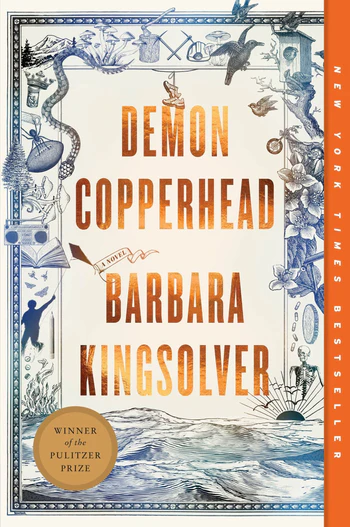
Demon Copperhead, Barbara Kingsolver
I’ve been reading Demon Copperhead by Barbara Kingsolver. I’m not quite finished and I have a deep sense of foreboding. The story is a retelling of Charles Dickens’s David Copperfield, which draws on his experience of surviving institutional poverty. Kingsolver transposes the Victorian era novel into Appalachia and the start of the opioid crisis. It’s a slow read for me because it is written only from Demon’s perspective, even the dialogue. I can’t help but root for this scrappy kid who just keeps finding a way through. But as I said, I have a sense of foreboding. I’m afraid it’s going to get worse before it gets better. I’ll let you know!
 Ryan Romberg, Pastor, Placentia Presbyterian Church
The Prophets, by Abraham Joseph Heschel
The enduring masterpiece on the Old Testament prophets from the legendary twentieth-century Jewish theologian and author of the classics works Man Is Not Alone and God in Search of Man.
 Ken Kalina, HR
Encounters with Jesus: Unexpected Answers to Life’s Biggest Questions, Tim Keller
Tim Keller at his best!
 Lori Ruff Schmalenberger, Director of Children’s Ministries, Tustin Presbyterian Church, Vice Moderator, Presbytery of Los Ranchos
Our Hidden Conversations: What Americans Really Think About Race and Identity by Michele Norris
This book provides a thought-provoking overview of the ongoing results of Norris’ “Race Card Project” (check out theracecardproject.com) through which people all over the U.S. have submitted and continue to submit six-word statements about their experience of race in America. Concepts are grouped somewhat thematically with lengthier essays and bios expanding some of the submissions. (Audible listeners have the benefit of hearing different voices reading the submitted statements in addition to the author’s narration.) A breadth of viewpoints are shared, which, together with the focus on lived experience over theory, may make this a more accessible work for introducing the discussion of race than others.
 Mike Regele, HR, Moderator Trustees of the Presbytery of Los Ranchos
The End of White Christian America, Robert P. Jones
Robert P. Jones, CEO of the Public Religion Research Institute, spells out the profound political and cultural consequences of a new reality—that America is no longer a majority white Christian nation. Drawing on more than four decades of polling data, The End of White Christian America explains and analyzes the waning vitality of WCA. Robert P. Jones argues that the visceral nature of today’s most heated issues—the vociferous arguments around same-sex marriage and religious and sexual liberty, the rise of the Tea Party following the election of our first black president, and stark disagreements between black and white Americans over the fairness of the criminal justice system—can only be understood against the backdrop of white Christians’ anxieties as America’s racial and religious topography shifts around them.
Editor’s Picks
 Jesus for Everyone, Amy Jill Levine
… argues that Jesus’ historic and cultural influence makes him fascinating, provocative, and relevant for everyone, not only faithful Christians but nonbelievers as well. Jesus for Everyone examines his most famous teachings from a fresh perspective, exploring how they have continued to shape ethics and civilization in the West for two millennia. Poring through scripture, analyzing what historical scholarship has revealed about Jesus’ views on several subjects—including women—reveals surprising messages sure to be fascinating to all readers. Placing Jesus of Nazareth within his historical context, Levine brings him vividly into focus and invites agnostics and the most committed nonbelievers to appreciate his lasting impact on the modern world.
 Tending the Garden, Eugenia Anne Gamble
In a world fixated on outward appearances, discover the joy of cultivating an inward relationship with the Spirit, where virtues like love, joy, and self-control blossom naturally. The apostle Paul paints a beautiful picture when he describes the fruit of the Spirit, but all too often we reduce this list of virtues into a checklist of attributes to pursue and strive for. Pastor and author Eugenia Gamble contends that this understanding is backwards. The Holy Spirit is the One who grows and develops those attributes within us as we pursue our relationship with God. By tending that relationship, the virtues of God develop and blossom as a fruit grows on a well-tended tree.
 If God Is Love Don’t Be a Jerk, John Pavlovitz
Imagine for a moment what the world might look like if we, as people of faith, morality, and conscience, actually aspired to this mantra.
What if we were fully burdened to create a world that was more loving and equitable than when we arrived?
What if we invited one another to share in wide-open, fearless, spiritual communities truly marked by compassion and interdependence?
What if we daily challenged ourselves to live a faith that simply made us better humans? John Pavlovitz explores how we can embody this kinder kind of spirituality where we humbly examine our belief system to understand how it might compel us to act in less-than-loving ways toward others.
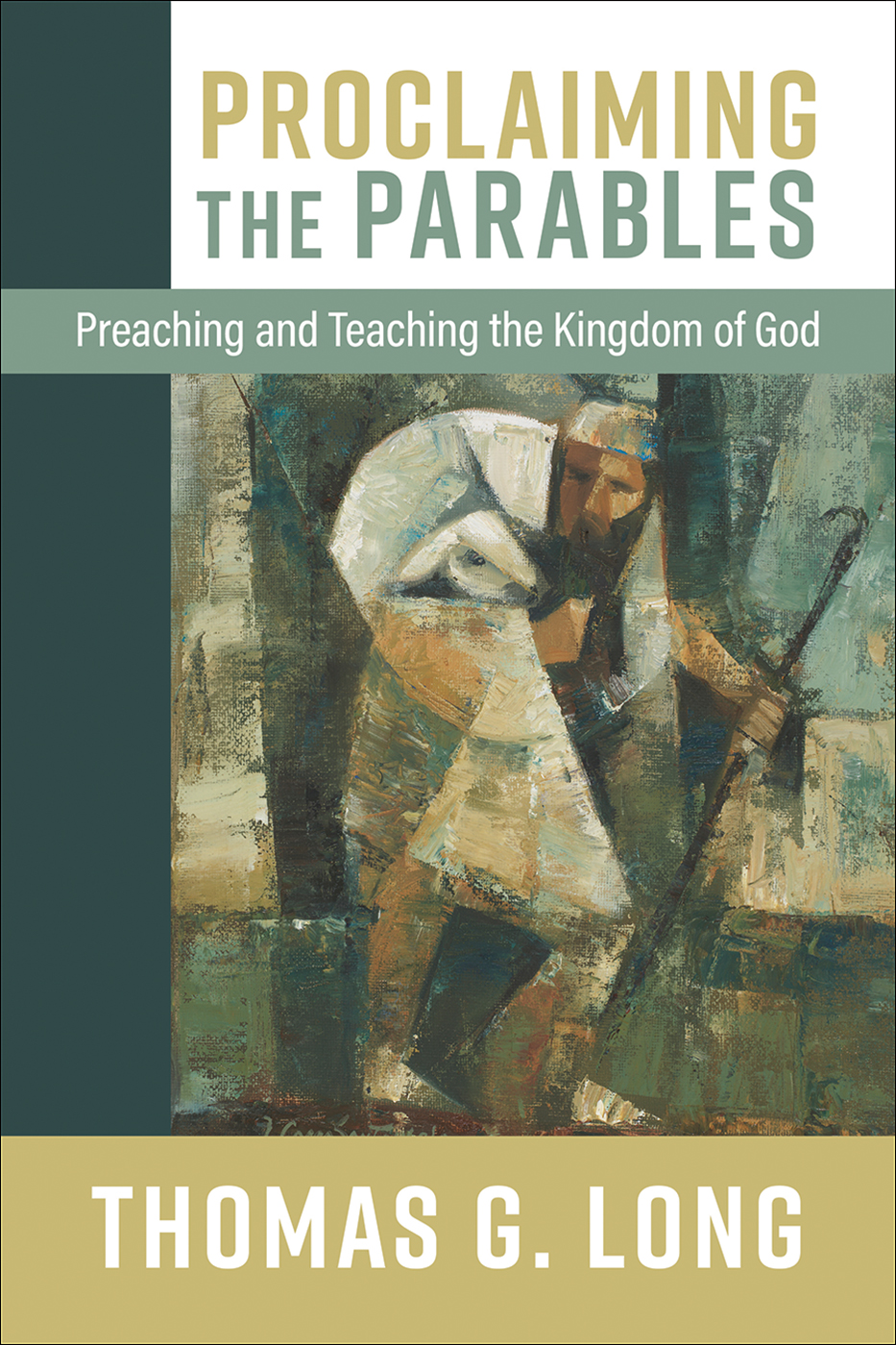 Proclaiming the Parables, Thomas G. Long
… noted preacher and scholar Thomas G. Long moves away from past treatment of the parables primarily as literary devices and moves toward an emphasis on their theological impact as pointers to the kingdom of God.
 The Kingdom, the Power, and the Glory, Tim Alberta
Lingering at the intersection of real cultural displacement and perceived religious persecution, Alberta portrays a rapidly secularizing America that has come to distrust the evangelical church, and weaves together present-day narratives of individual pastors and their churches as they confront the twin challenges of lost status and diminished standing.
